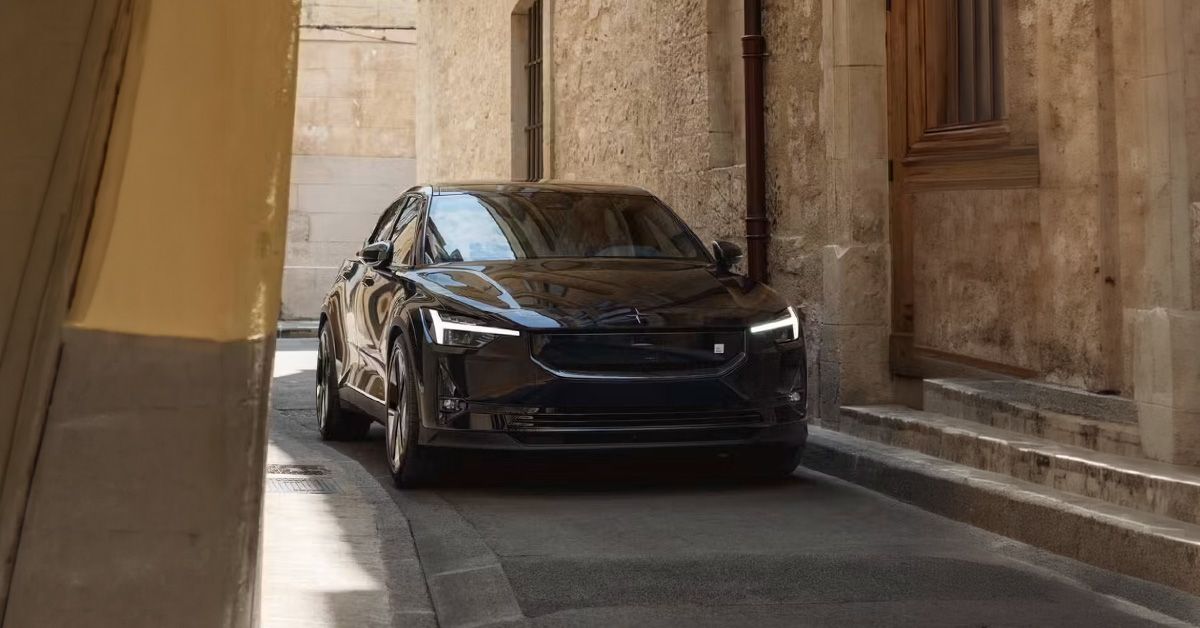
Polestar 2 2027: A Deliberately Simplified Canadian Lineup
The Polestar 2 2027 returns to Canada with a different approach. Rather than offering multiple versions and packages to choose from, Polestar now...
Read more
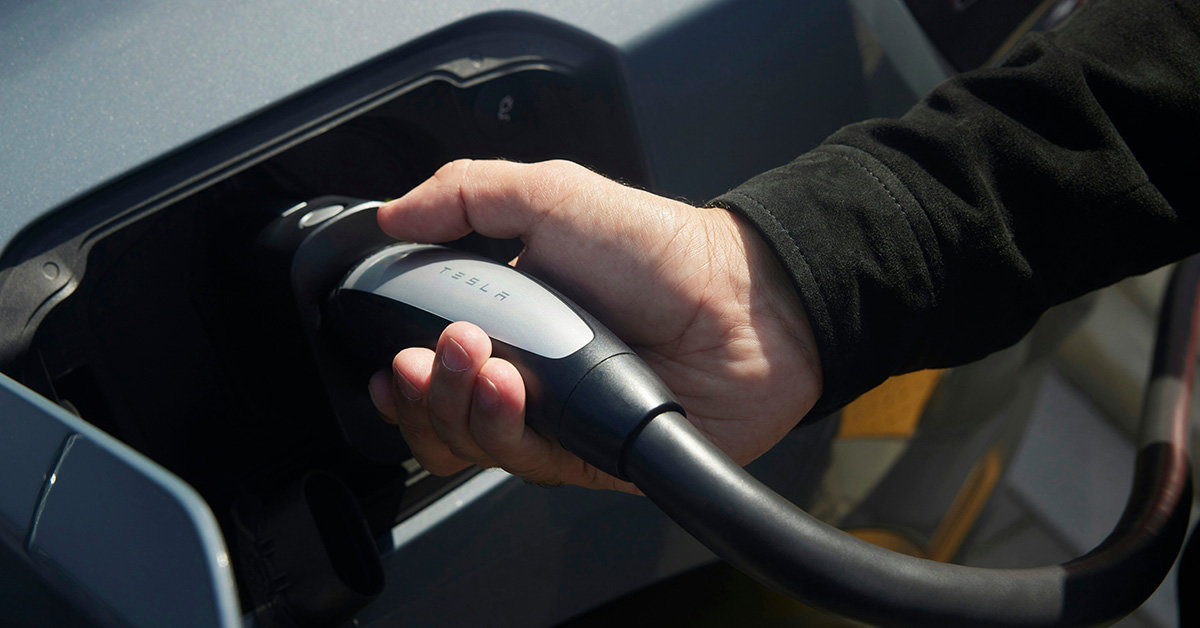
The Polestar NACS charger represents an important evolution in the way an electric vehicle is charged. But unlike what you may read here and there, it does not replace existing solutions: it adds to an ecosystem that is already well established.
In Quebec, where distance, climate, and driving habits require flexibility, clearly understanding how Polestar charging works — including NACS — helps avoid unpleasant surprises.
At Polestar Brossard, this reality is at the heart of conversations with drivers looking to make the switch to electric.
Even before the arrival of NACS, Polestar vehicles relied on a well-established standard: the CCS (Combined Charging System).
In concrete terms, this means:
NACS therefore does not replace this system, but rather expands the possibilities.

According to official information from Polestar, access to NACS charging stations is provided:
Key point:
Polestar vehicles do not become “native NACS” immediately. Access first relies on an adapter solution.
One of the most important elements:
The Polestar NACS charger provides access to the Tesla Supercharger network (depending on rollout and compatibility).
This changes things in practical terms:
Polestar goes beyond charging hardware. The approach is integrated directly into the vehicle.
Polestar vehicles include Google Maps, which allows you to:
The app also allows you to:
The result: charging becomes a natural extension of driving.

Even with the Polestar NACS charger, charging does not rely solely on fast chargers.
NACS mainly strengthens fast charging on the go, not replaces other uses.
Quebec has very specific realities:
Between Brossard, Quebec City, Mauricie, or the Laurentians:
Cold weather affects:
Having more fast chargers available becomes a real advantage.

In Brossard, the reality of electric driving is very different from what it was just a few years ago.
With quick access to Montreal, major highways, and expanding infrastructure, the region is now well suited to electric mobility.
At Polestar Brossard, the support is practical:
You are not just buying a vehicle — you are learning how to use it efficiently.
It is important to understand that NACS is part of a transition.
We are in a phase of expansion, not replacement.
With this dual compatibility, charging becomes easier to integrate into your daily life.
Imagine:
The Polestar NACS charger directly contributes to that freedom.
Understanding your charging options makes the difference between a complicated experience… and a smooth one.
If you are considering a Polestar or want to optimize your current setup:
Visit Polestar Brossard
Speak with specialists
Get answers tailored to your reality
No. CCS is still used. NACS is added as an option.
Yes, in most cases, a CCS-to-NACS adapter is required.
Yes, depending on compatibility and rollout, access is possible through NACS.
Not directly. Charging speed depends on the station, not the connector.
Yes. NACS improves access to fast chargers, especially for long-distance trips.
The Polestar NACS charger does not just change the technology: it concretely improves access to charging.
By combining CCS and NACS, Polestar offers a more flexible solution suited to the realities of Quebec.
To go further, better understand your options, or plan your transition, Polestar Brossard remains your starting point.

Polestar 2 2027: A Deliberately Simplified Canadian Lineup
The Polestar 2 2027 returns to Canada with a different approach. Rather than offering multiple versions and packages to choose from, Polestar now...
Read more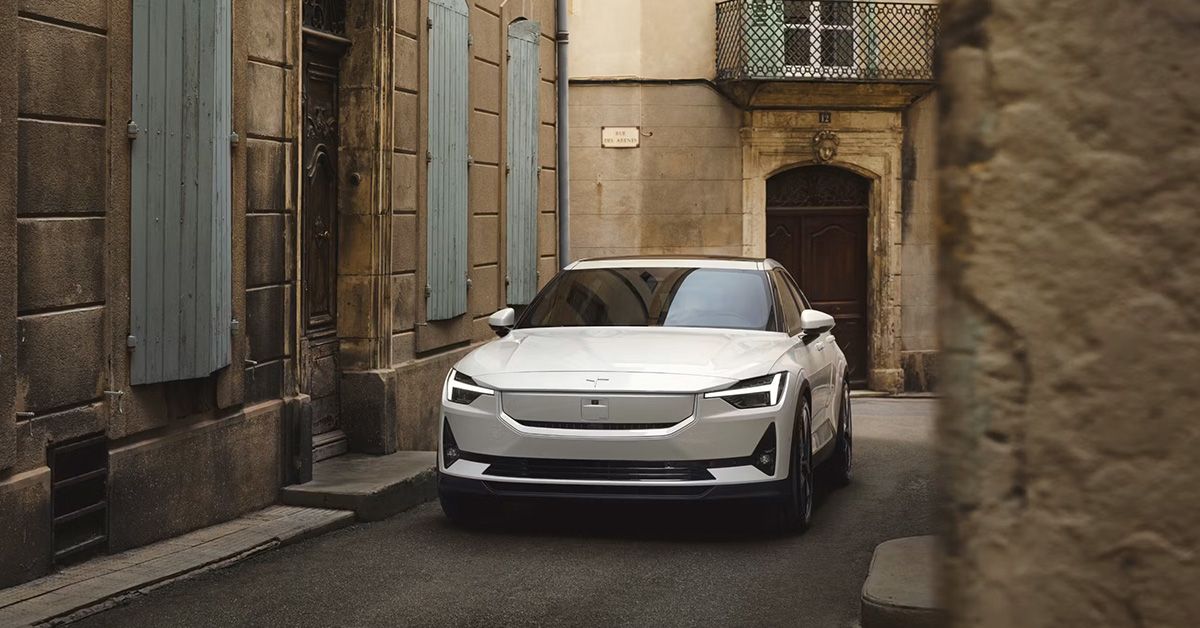
Polestar 2: Complete Overview of the Electric Fastback at Polestar Brossard
Overview of the Polestar 2: this is a great way to understand what makes this electric fastback so appealing for drivers in Brossard, the South...
Read more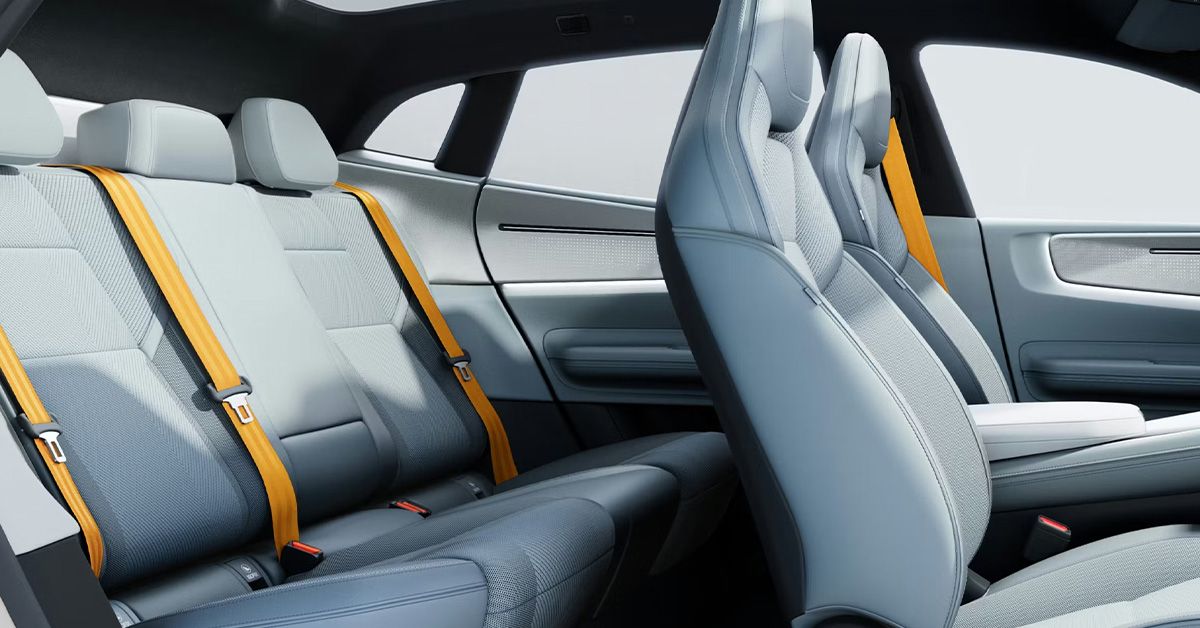
Polestar 4 seat comfort: travel differently, in the front and in the rear
The seat comfort of the Polestar 4 is not just about a first impression when you get on board. It is a complete experience designed to turn every...
Read morePowered and developed by
