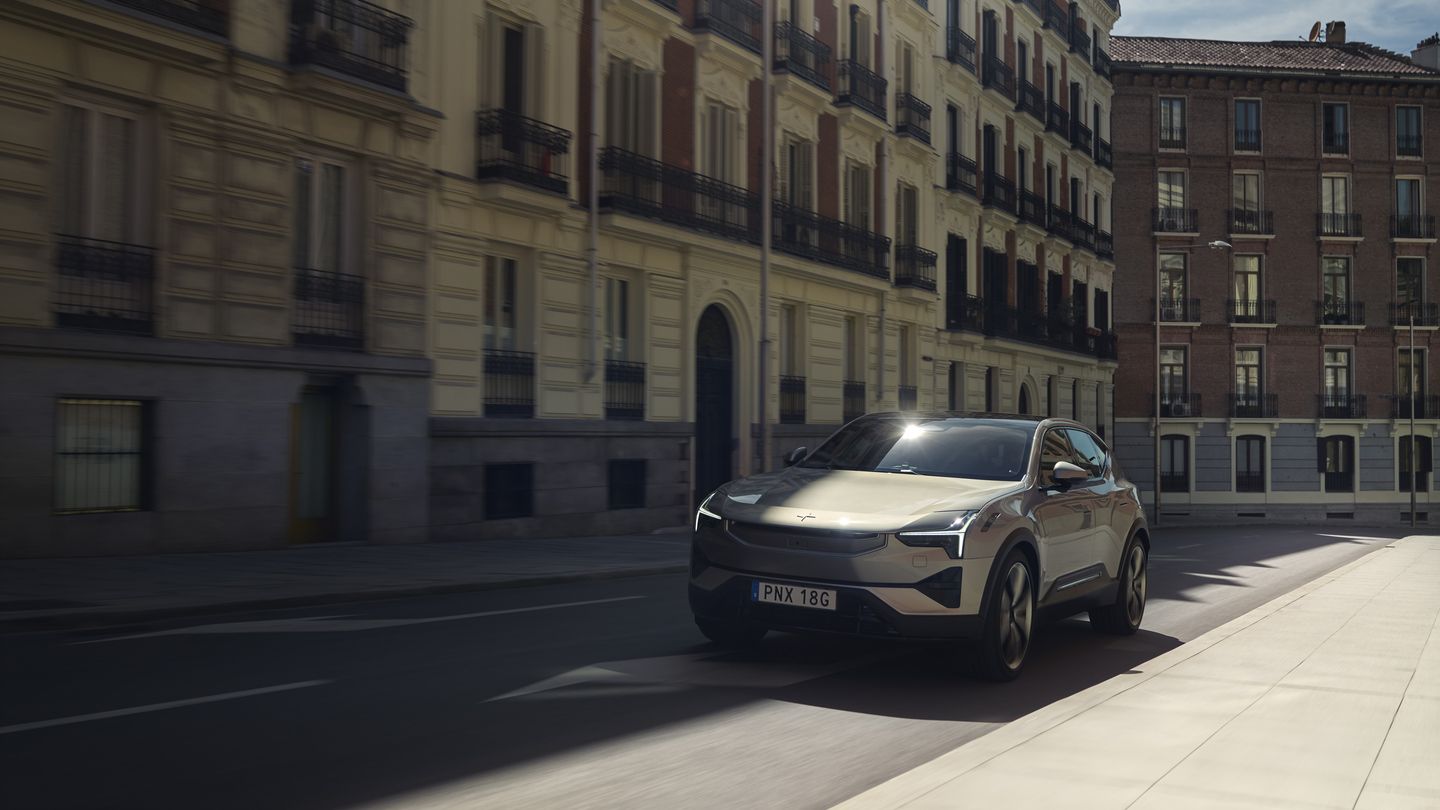
Pilot Assist Explained: The Driver Assistance Built Into Every 2027 Polestar 3
Driver assistance is easy to list and hard to judge from a brochure. For Quebec shoppers weighing the 2027 Polestar 3, the useful question is what...
Read more
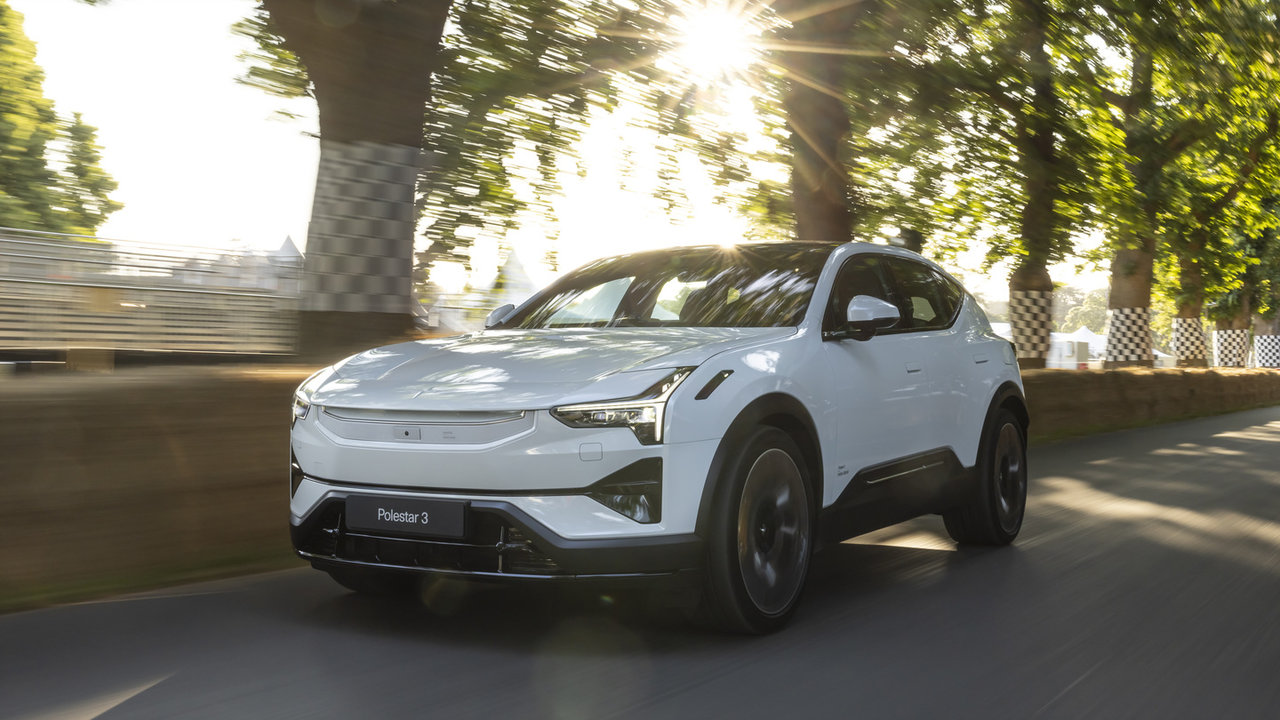
Choosing between the Polestar 3 Dual motor and the Performance model comes down to how you drive every day, not which spec sheet reads faster. Both share the same 106 kWh battery, all-wheel drive setup, and mid-size luxury SUV body, but the way each delivers power, ride, and charging changes the ownership experience underneath.
For Quebec drivers weighing daily commutes, highway stretches, and charging routines through changing seasons, that difference matters more than a single acceleration number. Here’s how the two powertrains actually compare where it counts.
|
Spec |
Dual motor |
Performance |
|
Drivetrain |
AWD |
AWD |
|
Power |
544 hp |
680 hp |
|
Torque |
546 lb-ft |
642 lb-ft |
|
0-100 km/h |
4.7 s |
3.9 s |
|
Top speed |
230 km/h |
230 km/h |
|
Electric range (NRCan) |
502 km |
452 km |
|
DC fast charge (10-80%) |
22 min at 350 kW |
22 min at 350 kW |
|
Wheels & tires |
21-inch, all-season |
22-inch, summer |
|
Suspension |
Passive chassis |
Dual-chamber active air suspension |
|
Curb weight |
2,490 kg |
2,525 kg |
|
Height |
1,622 mm |
1,614 mm |
The Dual motor produces 544 hp and 546 lb-ft of torque, enough for a 4.7-second run to 100 km/h. That covers highway merges and passing manoeuvres with room to spare, without ever feeling like it’s working hard.
The Performance model raises the ceiling to 680 hp and 642 lb-ft, cutting the same run to 3.9 seconds. The gap shows up most at highway speed, where the extra torque turns a passing lane into a shorter commitment. Both trims share the same 230 km/h top speed, so the difference lives in how quickly you get there, not how fast you eventually go.

Suspension is where the two trims diverge the most. The Dual motor rides on a passive chassis tuned for a calmer, more absorbent feel over the kind of broken pavement common on secondary roads.
The Performance model swaps in a dual-chamber active air suspension with adjustable ride height and a dedicated loading mode, favouring a firmer, more connected feel through corners. It rewards a driver who wants feedback over a long drive, but that same firmness carries more of the road into the cabin on rough surfaces.
Range tells a similar story. The Dual motor covers 502 km on a charge, while the Performance model’s stiffer setup and larger wheels bring that down to 452 km, a 50 km gap that adds up over a week of commuting.
Both trims share the same 800-volt architecture, charging at up to 350 kW on a DC fast charger for a 10-to-80% top-up in 22 minutes, and a full charge at home in about 10 hours on an 11 kW Level 2 connection. Both also access CCS and NACS public charging networks, widening where you can top up on a longer trip. The battery carries an 8-year, 160,000 km warranty, guarding against capacity loss regardless of which motor you choose.
Cargo space is identical across both trims: 597 L behind the rear seats, 1,411 L with them folded, and a 23.8 L front trunk for a charging cable or gym bag. A 60/40 split rear seat with a ski hatch adds flexibility for gear that doesn’t fit flat.
Both trims include heated rear seats, four USB-C ports, and a rear control panel for climate and seat heating, so second-row passengers aren’t an afterthought on longer drives. The 14.5-inch centre touchscreen, 9-inch driver display, and 9-inch head-up display run the same software regardless of powertrain, keeping daily usability consistent.
Standard audio runs 10 speakers, and a 1,610-watt, 25-speaker Bowers & Wilkins system is also included on the Canadian spec sheet, giving either trim the same premium sound system.
Wheel and tire choice reinforces the personality split. The Dual motor wears 21-inch wheels on all-season tires, while the Performance rides on 22-inch wheels wrapped in summer-only rubber, a setup built for dry-weather grip rather than year-round versatility.
Both trims share 202 mm of ground clearance and an 11.8 m turning circle, and at 4,900 mm long and 1,968 mm wide, the Polestar 3 manoeuvres through tight urban parking with the same footprint no matter which powertrain sits underneath.
For most Quebec shoppers commuting through changing seasons, the Dual motor is the stronger everyday all-rounder. Its longer range, all-season tires, and calmer suspension tuning cover more of the year without asking for a trade-off.
The Performance model suits a different priority: a driver who wants the sharper 3.9-second launch, the firmer air suspension, and the summer-tire grip that comes with it, and who’s comfortable planning around 50 km less range between charges.
The 2027 Polestar 3 offers two distinct answers to the same question: the Dual motor for range and everyday comfort, the Performance for sharper acceleration and chassis feel. Both share the same battery, cabin, and charging setup underneath.
Visit Polestar Brossard in Brossard, Quebec, to sit in both configurations, compare the ride and charging setup in person, and settle on the powertrain that fits how and where you drive every day.
Pilot Assist Explained: The Driver Assistance Built Into Every 2027 Polestar 3
Driver assistance is easy to list and hard to judge from a brochure. For Quebec shoppers weighing the 2027 Polestar 3, the useful question is what...
Read more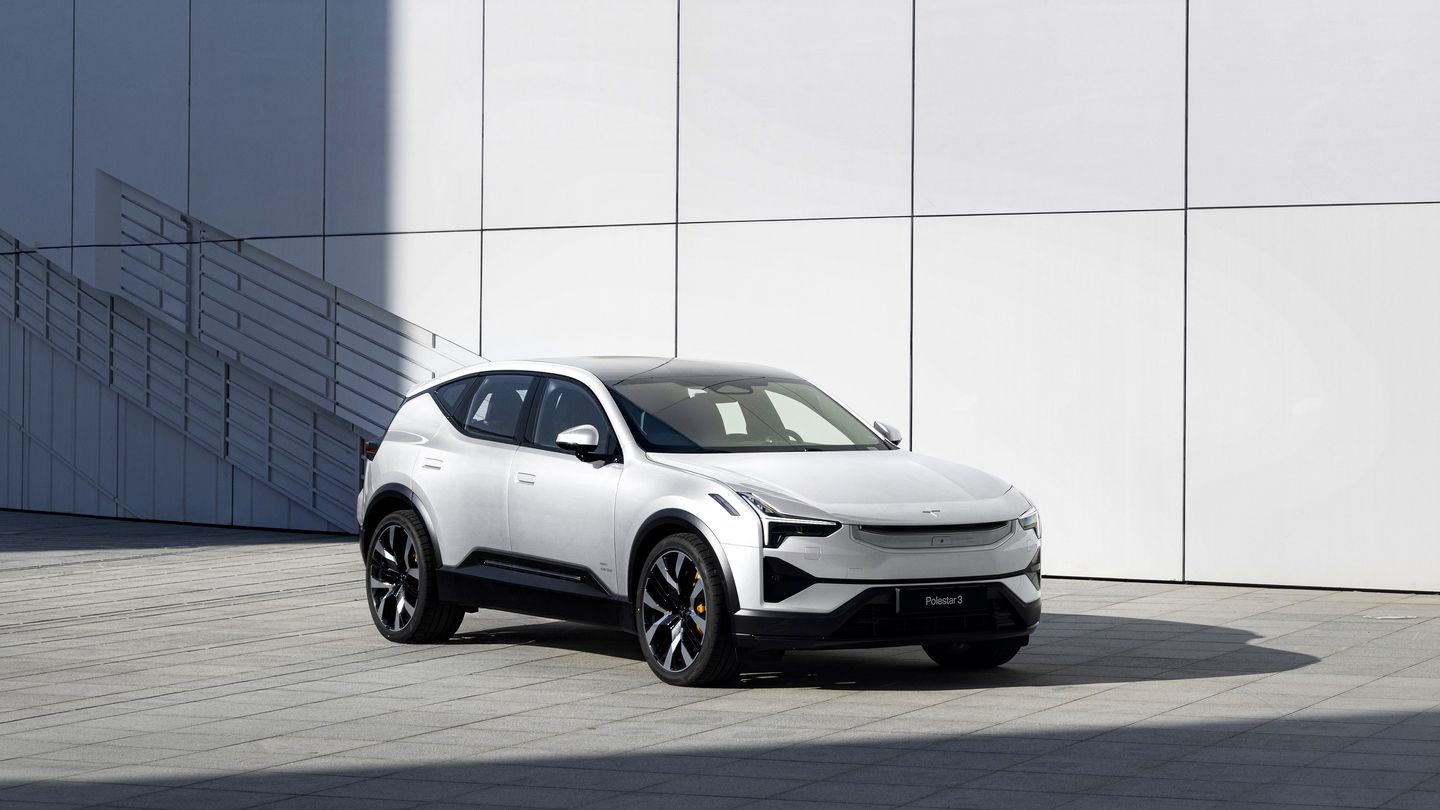
How Much Can the 2027 Polestar 3 Tow?
A trailer changes what you ask of an SUV. You want to know what it can pull, how the hitch works, and how the rest of the vehicle behaves once the...
Read more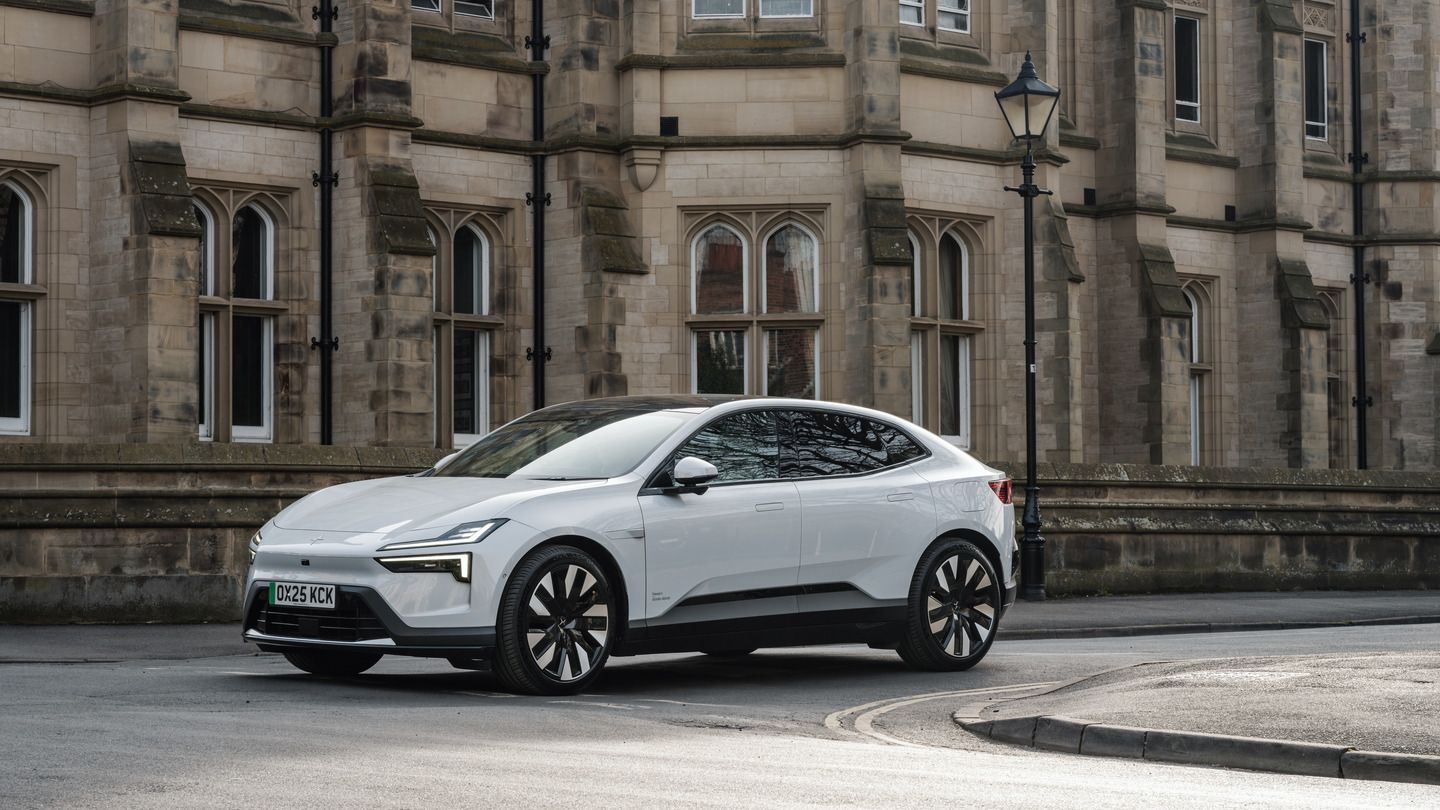
Coupe or SUV: How to Choose Your 2027 Polestar 4
The 2027 Polestar 4 gives Quebec shoppers a real fork in the road: the coupe, with no rear window, or the SUV, with an upright tailgate and glass...
Read morePowered and developed by
