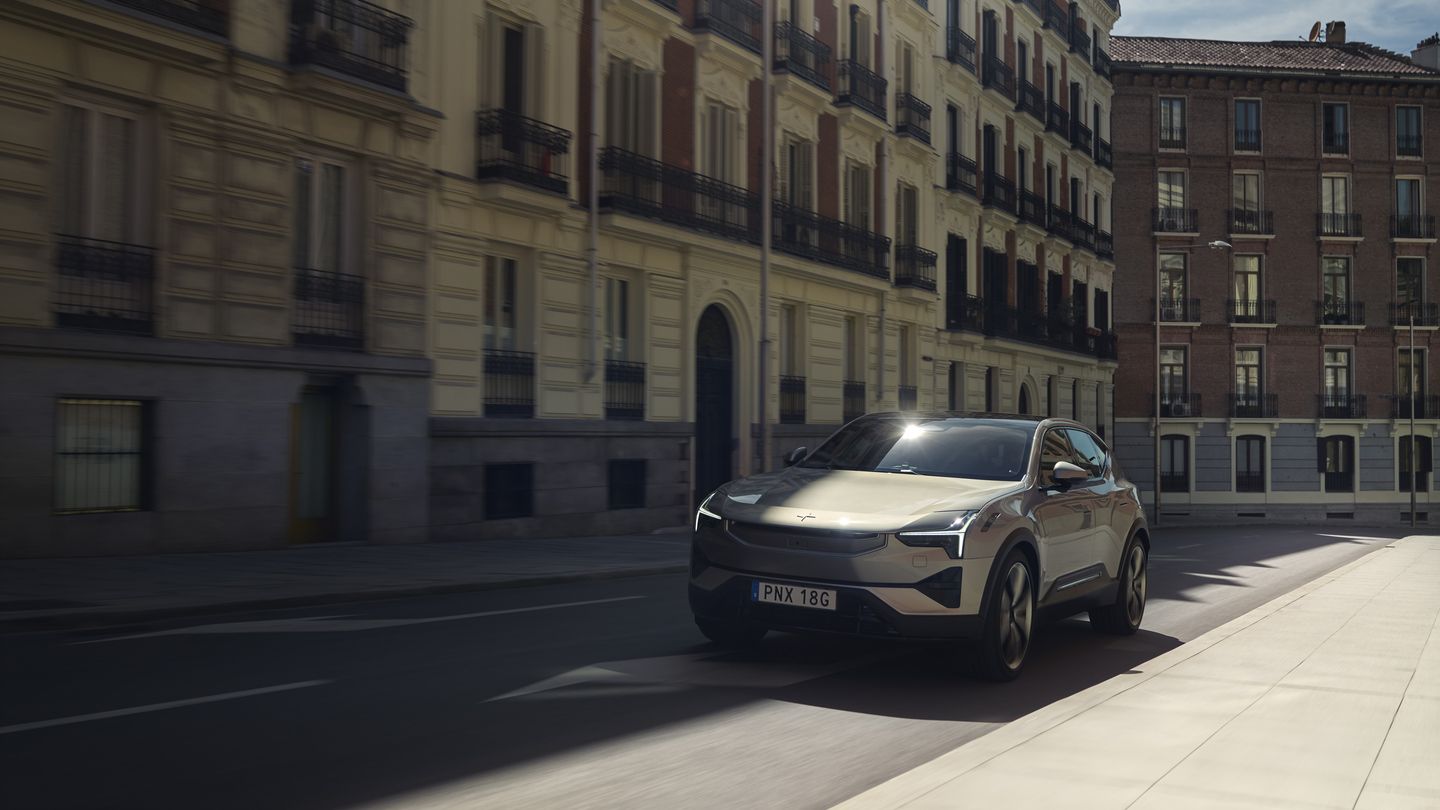
Pilot Assist Explained: The Driver Assistance Built Into Every 2027 Polestar 3
Driver assistance is easy to list and hard to judge from a brochure. For Quebec shoppers weighing the 2027 Polestar 3, the useful question is what...
Read more
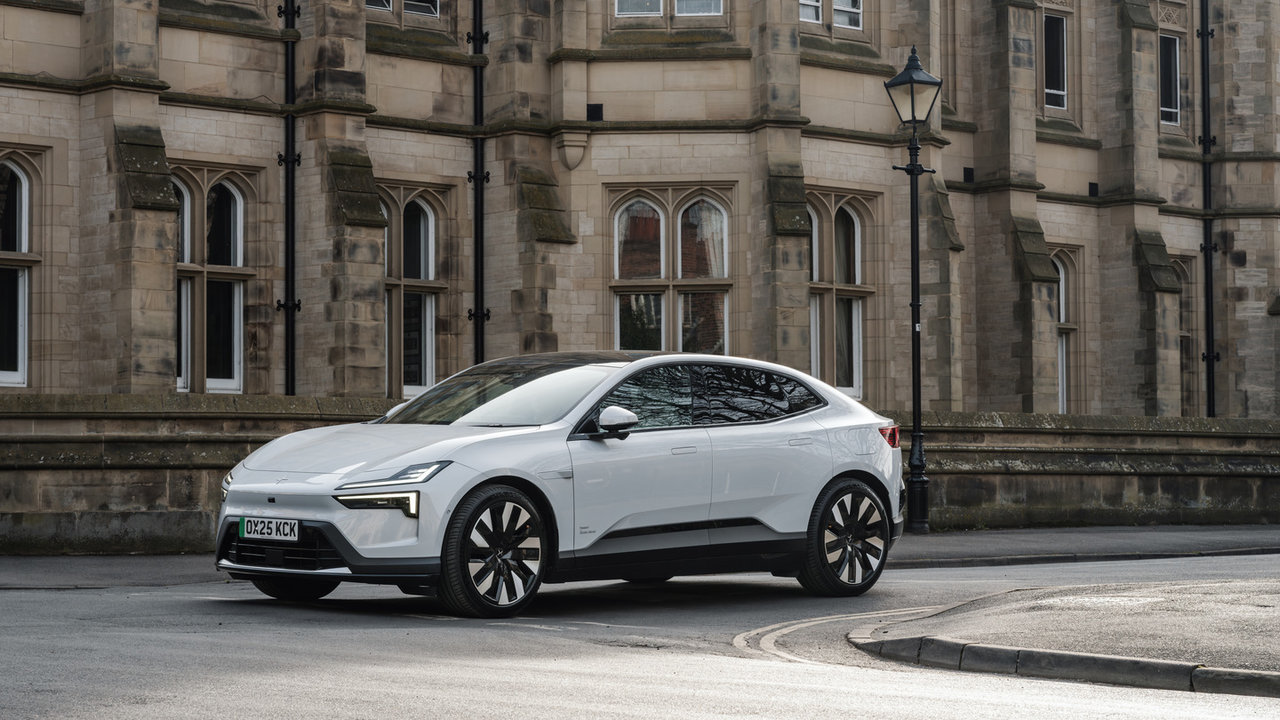
Some electric SUVs are tuned for calm, quiet efficiency. The Polestar 4 Dual-Motor AWD is tuned for something else: quick response, strong grip, and a chassis that stays composed when the pavement gets messy. If you want an electric SUV coupe that reacts the instant you ask it to, this is the version built for that answer.
The Polestar 4 lineup splits into two personalities. The Long Range Single Motor sends 272 hp and 253 lb-ft to the rear wheels only. The Long Range Dual Motor adds a second 200 kW permanent-magnet motor up front, raising output to 544 hp and 506 lb-ft and switching the drivetrain to all-wheel drive.
That second motor is the whole story here. It is the performance-oriented configuration in the Polestar 4 range, and everything downstream, the acceleration, the chassis tuning, the tire choice, is built around having power available at both axles instead of one.
With one motor on each axle, the Dual-Motor Polestar 4 can send torque to whichever wheels have the most grip at any given moment, rather than relying on one axle to do all the work. That is the mechanical reason the 0-100 km/h time drops to 3.8 seconds, against 7.1 seconds for the Single Motor.
The suspension follows the same logic. Single Motor cars get high-capacity passive dampers. The Dual Motor gets continuously controlled active ZF dampers (CCD), which adjust damping in real time as road surfaces change. Electric power steering with three modes and a turning radius of 11.64 metres round out a chassis built for quick direction changes as much as straight-line pull.
A sharper 0-100 km/h number is not really about top-end bragging rights. It shows up in the ordinary moments: pulling onto a highway with a short on-ramp, passing a slower vehicle on a two-lane road, or getting away cleanly from a stop in traffic. Those are the situations where instant torque and a planted chassis change how confident the drive feels.
All-wheel drive adds a second layer to that confidence. Splitting power across both axles improves traction on wet pavement, loose gravel, or snow-covered roads, which matters through a full Quebec year rather than just a single season. The active dampers also help keep the body settled when the road surface changes mid-corner, which happens often once frost heaves or patchwork resurfacing enter the picture.
The trade-off is range: 451 km on the Dual Motor versus 499 km on the Single Motor. For a shopper who values launch response and stability more than the last few kilometres of range, that gap is a reasonable exchange for the traction and speed gained.
|
Spec |
Long Range Single Motor |
Long Range Dual Motor |
|
Drivetrain |
RWD |
AWD |
|
Horsepower |
272 hp |
544 hp |
|
Torque |
253 lb-ft |
506 lb-ft |
|
0-100 km/h |
7.1 s |
3.8 s |
|
Electric range (NRCan) |
499 km |
451 km |
|
Curb weight |
2,230 kg |
2,355 kg |

The Polestar 4 is built as an SUV coupe: a low, sloped roofline over SUV-level interior space, at 4,840 mm long and 1,534 mm tall on a 2,999 mm wheelbase. That low stance suits the Dual Motor’s performance-led tuning, and the standard 20-inch all-season tires on Single Motor cars give way to available 22-inch summer tires and, with the Performance pack, Brembo brakes and a specially tuned CCD suspension with stiffer springs and anti-roll bars.
Ground clearance sits at 166 mm front and 186 mm rear, enough for everyday pavement transitions without turning the car into an off-road vehicle. This remains a road-tuned performance SUV coupe, not a trail machine.
The driving experience extends to what the driver sees. A 10.2-inch instrument cluster sits ahead of the driver, paired with a 15.4-inch centre touchscreen for navigation, climate, and settings. An available 14.7-inch head-up display, part of the Plus pack, projects key information, including a dedicated Snow mode, directly into the driver’s sightline.
Because the Polestar 4 has no rear window, an 8.9-inch digital rear-view mirror switches between a live HD camera feed and a standard mirror view, which changes how the driver reads what is happening behind the car. Four USB-C ports and an 8-speaker standard audio system round out a cabin built around the driver’s seat, not the back row.
This setup fits a shopper who wants an EV that feels alert rather than one that maximizes every last kilometre of range. It suits someone cross-shopping a sports sedan but who wants SUV space and a raised seating position instead, along with all-wheel traction they can rely on through every season on Quebec roads.
It is a less natural fit for a shopper whose priority is squeezing out maximum range above all else. For that buyer, the Single Motor’s 499 km and RWD layout, with its own lower 7.1-second 0-100 km/h pace, is worth a look before settling on the Dual Motor.
The Polestar 4 Dual-Motor AWD pairs 544 hp, a 3.8-second 0-100 km/h time, and continuously controlled active dampers into a chassis built to respond quickly and hold its composure across changing road conditions. It stands as the performance half of the Polestar 4 lineup, alongside the range-focused Single Motor.
Visit Polestar Brossard in Brossard to compare the Dual-Motor and Single-Motor Polestar 4 side by side, feel the traction and launch response for yourself, and check the cabin visibility and daily usability that matter most on your own routes.
Pilot Assist Explained: The Driver Assistance Built Into Every 2027 Polestar 3
Driver assistance is easy to list and hard to judge from a brochure. For Quebec shoppers weighing the 2027 Polestar 3, the useful question is what...
Read more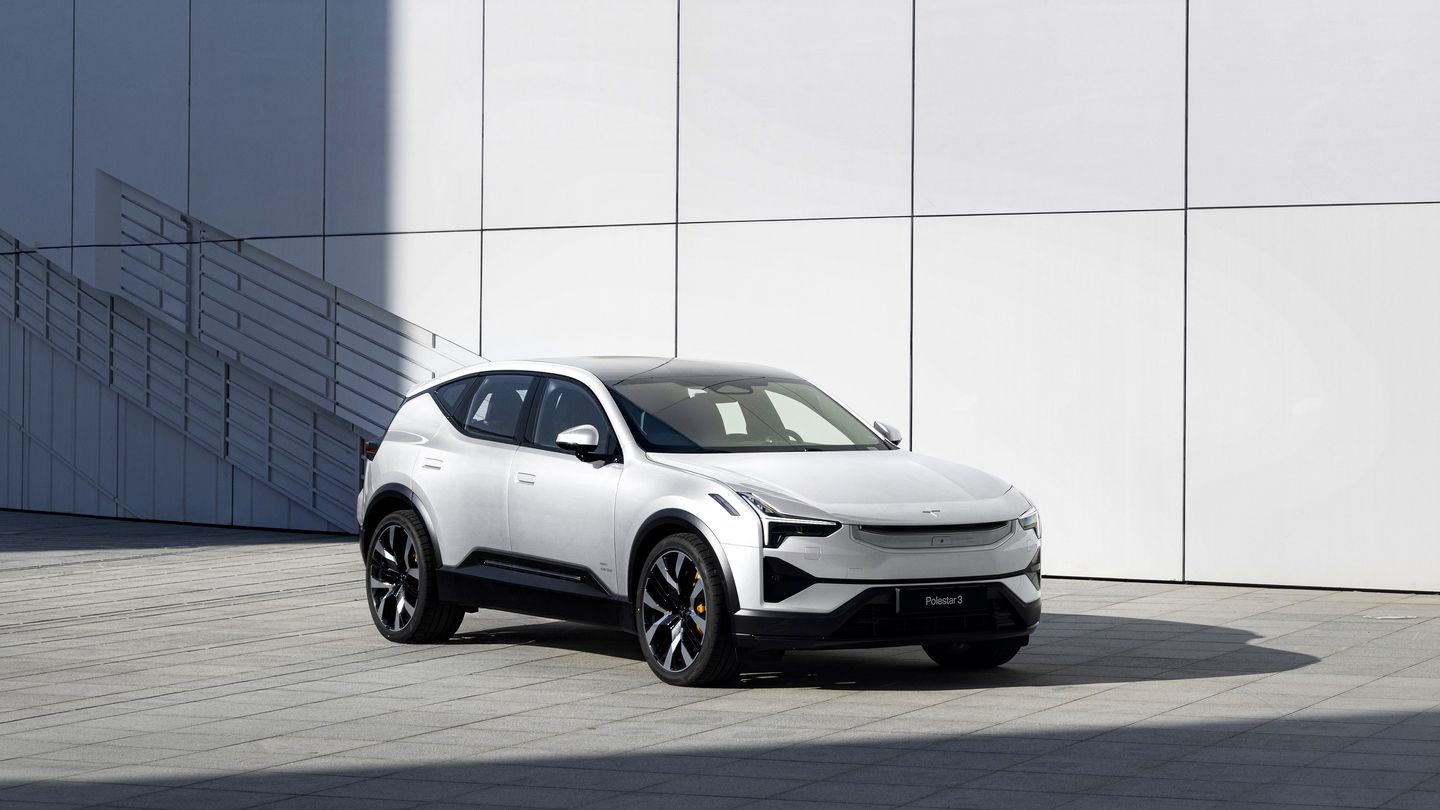
How Much Can the 2027 Polestar 3 Tow?
A trailer changes what you ask of an SUV. You want to know what it can pull, how the hitch works, and how the rest of the vehicle behaves once the...
Read more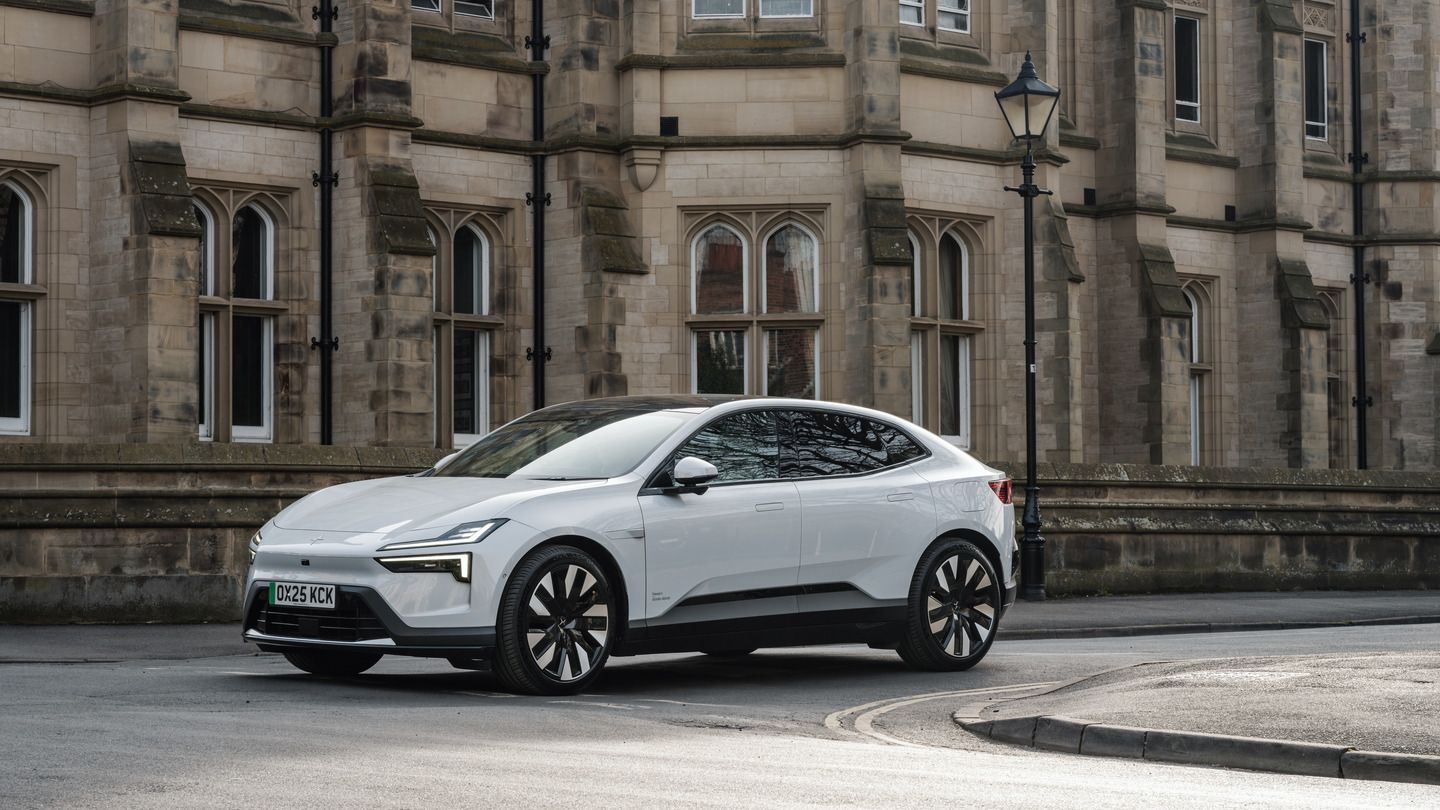
Coupe or SUV: How to Choose Your 2027 Polestar 4
The 2027 Polestar 4 gives Quebec shoppers a real fork in the road: the coupe, with no rear window, or the SUV, with an upright tailgate and glass...
Read morePowered and developed by
